
Key Takeaways
- A project that involves constructing an accessory dwelling unit worth $300,000 is a financially viable initiative but its returns largely vary depending on location, size, financing, and the intended purpose of the ADU.
- The total ADU cost in Bay Area typically includes a lot more than just construction costs.
- Some benefits of having an accessory dwelling unit include rental revenue, extra living space, and increase in the property value.
- There is no universal ADU budget or ROI; homeowners should evaluate their property and goals before starting construction.
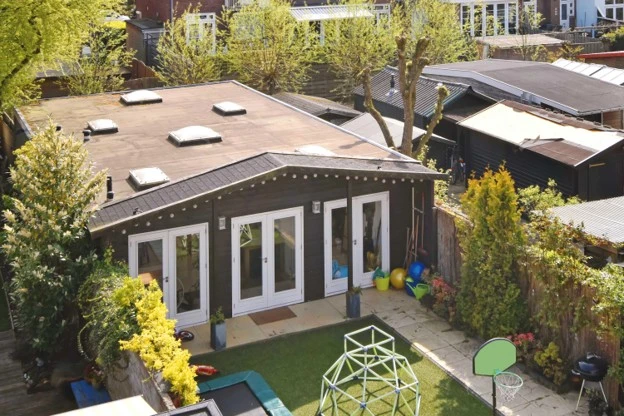
Building an accessory dwelling unit may be an appealing option to add more housing space to your property rather than buying a new one. However, investing in such a project requires about $300,000, which is a lot of money especially in the Bay Area. It is important to analyze the construction costs, potential rental income, value of the property, how much financing is needed and the actual use of the space before making a decision.
What Does a $300K ADU Budget Cover?
The ADU Bay Area cost can vary considerably depending on the property’s location and project requirements. Construction is only one part of the overall budget. Homeowners may also need to account for architectural design, engineering, permits, utility connections, site preparation, labor, materials, and other professional services.
A $300,000 budget may therefore produce very different results depending on the home’s existing conditions and the type of ADU being planned.
How Much Does It Cost to Build an ADU in the Bay Area?
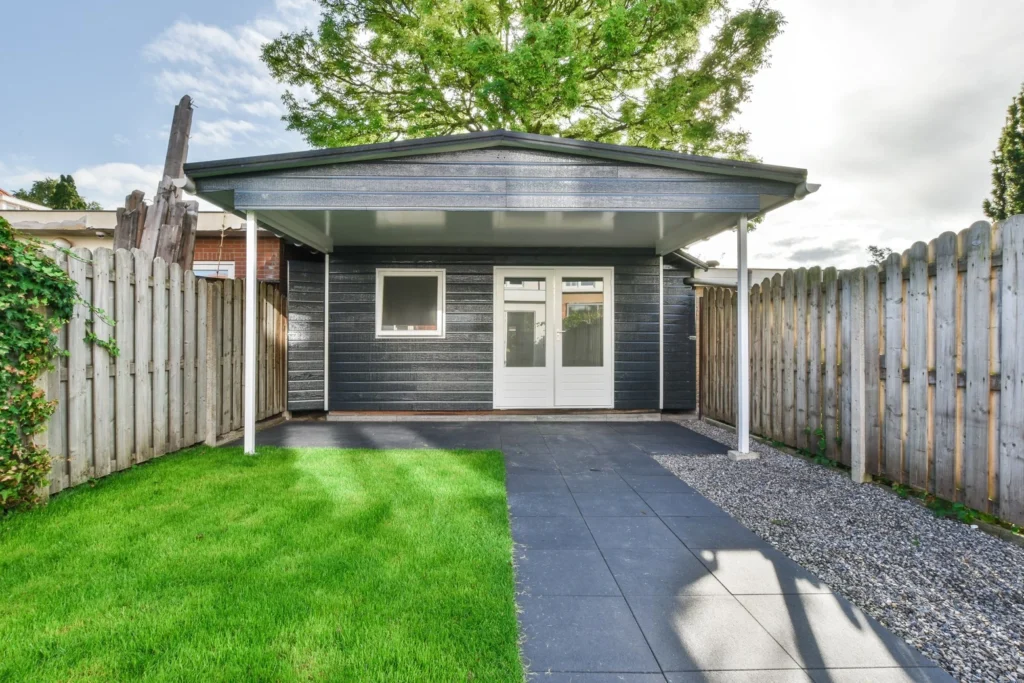
There is no single answer to the cost of an ADU in Bay Area projects. A compact ADU with a straightforward site may require a different budget than a larger unit involving extensive grading, utility upgrades, structural work, or complex access conditions.
In order to gain insight into the costs of constructing an ADU on Bay Area properties, one will need to first assess the site prior to finalizing a budget for the construction. This ensures that any potential limitations that affect the cost and scope of the project can be determined early on.
What Can a $300K ADU Provide?
For some homeowners, $300,000 may be enough for a thoughtfully designed, modest ADU. The final result depends on the unit’s size, layout, finishes, construction method, and site conditions.
Instead of focusing exclusively on maximizing square footage, homeowners should consider how the space will actually be used. A well-planned smaller unit may provide better functionality and financial value than a larger design with unnecessary spaces.
How Much Value Can an ADU Add?
One of the biggest questions homeowners ask is, how much does an ADU add to home value? The answer depends on local housing demand, the property’s location, the ADU’s quality, size, functionality, and whether comparable properties with ADUs are selling at a premium.
An ADU may also provide value that is not immediately reflected in the resale price. For example, homeowners may use it for extended family, guests, a home office, or rental income.
Calculating ADU ROI in California
ADU ROI in California should be considered from multiple perspectives. Rental income is one potential source of return, but homeowners should also consider long-term property value and personal use.
For example, a homeowner planning to rent the unit should estimate realistic rental income and compare it with construction costs, financing expenses, maintenance, insurance, vacancies, and other ongoing costs. Someone building an ADU for family use may place greater value on flexibility and additional living space.
When Is a $300K ADU Worth It?
So, is an ADU worth it in the Bay Area? It can be, particularly when the property has strong rental demand, sufficient space for construction, and a clear purpose for the additional unit.
A decision becomes increasingly challenging when expensive site work is involved, or financing costs greatly increase the total investment. When considering the cost of the development project, homeowners should not just go by the estimates alone, but also consider what they can gain from the investment as a whole.
Planning Before You Build
Before committing to a $300K ADU, it helps to understand what the site can realistically support. Factors such as setbacks, available space, access, utilities, and the desired layout can all influence the final design and budget. Working with an experienced ADU design team, such as Dwelling Lab, can help homeowners assess these considerations early and develop a plan that fits both the property and their goals.
FAQs:
Q. How much does it cost to build an ADU in the Bay Area?
Ans: Expenses depend on the location, dimension, design, materials used, site conditions, and labor. However, getting a site specific assessment and breaking down the project into detail is better than depending on a single statewide cost estimate.
Q. Does adding an ADU increase property taxes in California?
Ans: An ADU can affect a property’s assessed value and property taxes, but the tax treatment depends on the specific project and circumstances. Homeowners should consult the applicable county assessor for guidance on their property.
Q. Is there a California ADU grant program in 2026?
Ans: California has created several financial assistance programs related to ADUs, but they might not be available due to changes in availability, eligibility, and funding. It’s advisable to check the requirements for each program before deciding to include a grant in the budget for the project.
Q. What is the ideal size for an ADU home?
Ans: There is no universal ideal size. The right size depends on whether the ADU will be used for rental income, family housing, guests, or another purpose, along with the site’s limitations and the homeowner’s budget.
Author Bio:
–Neil Ginty, Founder & Principal, Dwelling Lab
Neil discovered his passion for the architecture of the in-between while working in residential property development in London, where he saw how small design interventions could dramatically enhance daily life. Today, he brings that same sensitivity and strategic thinking to every project, specializing in uncovering hidden potential and turning overlooked spaces into lasting value.
He has practiced in Northern California, Chicago, London, and Dublin, and holds a Bachelor s degree from the Dublin School of Architecture in Ireland. His work bridges design and development, helping clients shape homes that are both thoughtful and buildable.